Our berries

Swedish forests and fens provide an amazing variety of flavours in rich supply, in the form of wild berries. Since they are not cultivated, picking them requires patience and timing, waiting for that perfect ripeness. Finding the best picking spots is an enjoyable challenge, which is duly rewarded with flashes of red, blue and amber leading the way to the real treasure troves of Sweden’s wilderness.
Lingonberries

LINGONBERRIES

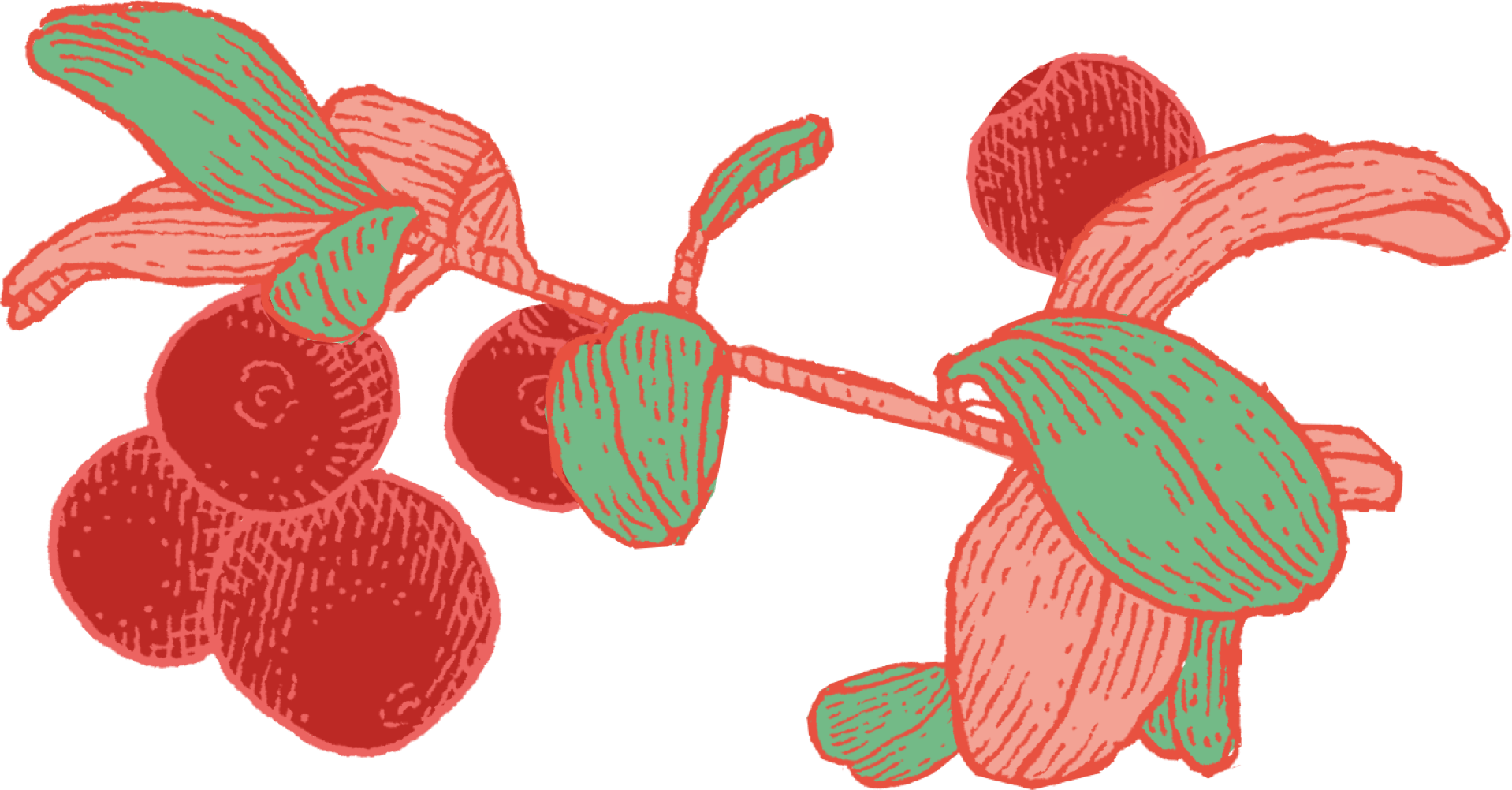
Tangy and less sweet, these small red berries appear as rubies growing close to the ground, ripening in late summer or early autumn. They have a truly unique flavour perfect for jams, nectars and jellies, unmistakeable to anyone who’s ever tried them. Lingon, as they are simply called in Swedish, can also be preserved in water – a method that can be traced back many hundreds of years. Rich in vitamins, minerals and antioxidants, Lingon go great together with rich foods where their acidity provides a nice contrast. We enjoy them with everything from meatballs to desserts.

Cloudberries

CLOUDBERRIES

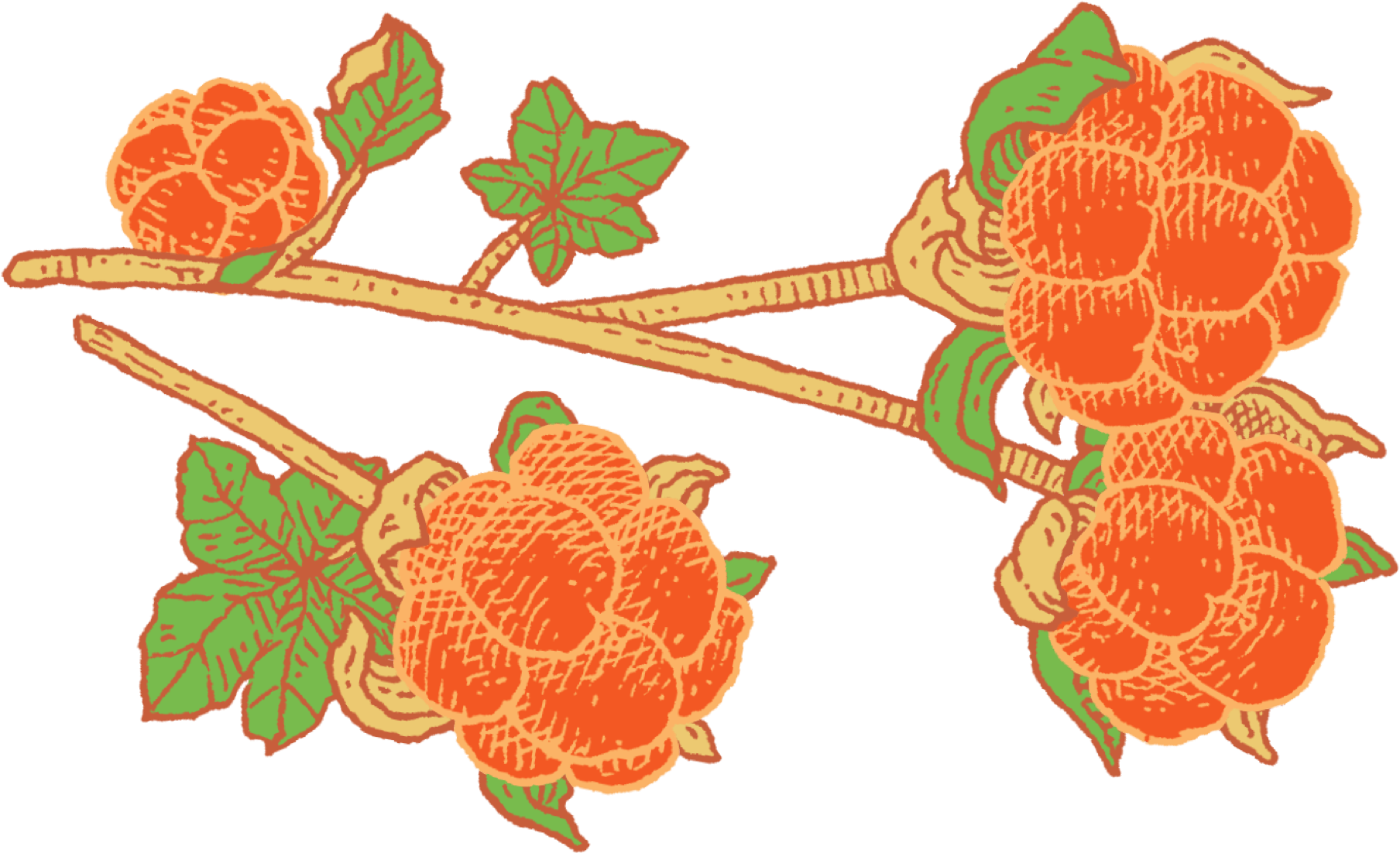
Hjortron in Swedish, these berries are very juicy and soft when ripe, shifting from a dark orange to a lighter amber. Cloudberries are found around wetlands such as mires and fens, where they appear as flashes of gold on stems reaching towards the sun. Their shape is reminiscent of small fluy clouds, hence the name. Cloudberries are quite sweet with a slight hint of acidity, making them perfect for desserts and as a condiment to waes and pancakes. Some say they taste like a mix of raspberry and red currant, we simply think they taste like a sunny autumn afternoon.

Blueberries

BLUEBERRIES

A pancake’s best friend, these berries contain a lot of antioxidants and grow especially large on sunny mountainsides when summer meets autumn. Perhaps the most aptly named berry of all, they are really intensely blue – one of the more unusual colours in nature. Blueberries are naturally sweet when ripe, but nonetheless taste even more delicious in jams and jellies. In the wild, they are also quite a bit smaller than their cultivated counterparts, we prefer them smaller and tastier straight from the ground.